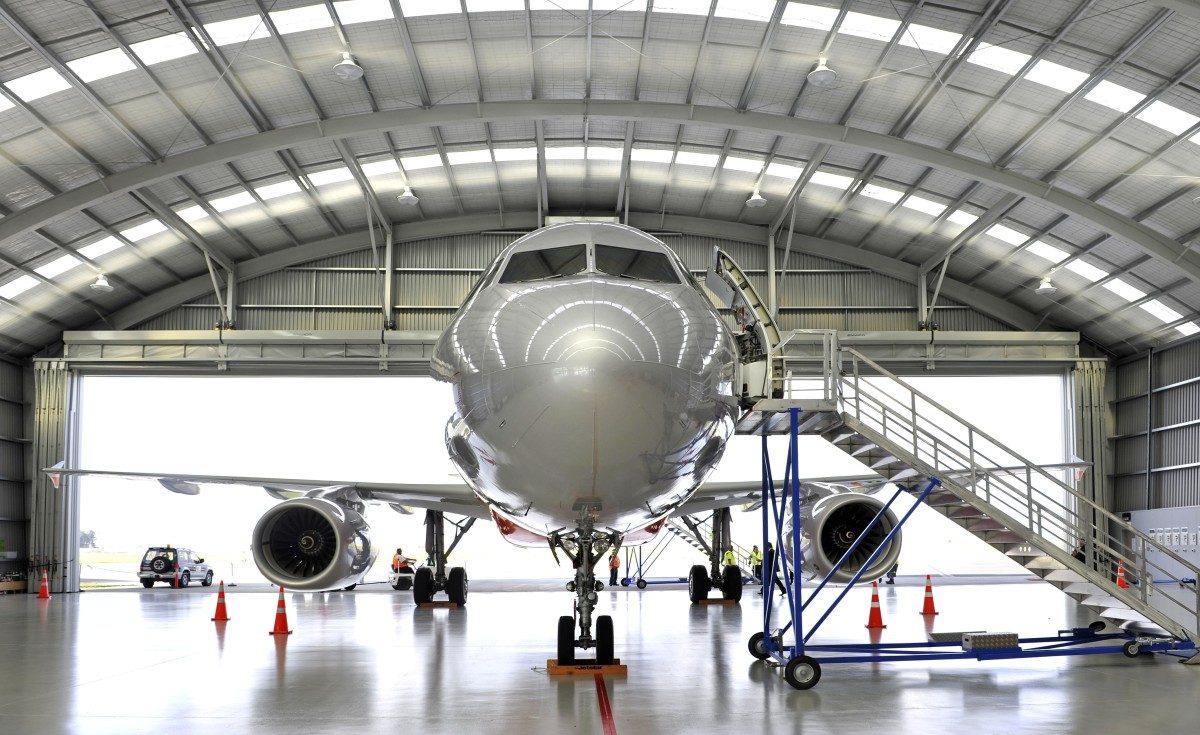
During the Le Bourget 2025 Air Show, Ametra hosted a special Smart Industries broadcast on its stand, dedicated to a crucial issue for the entire aerospace industry: industrial ramp-up. With record order books (Airbus has a global order book of approximately 10,000 aircraft), the question is no longer just about producing, but about producing better, faster, and sustainably. How can this challenge be met in a context of raw material tensions, repayment of state-guaranteed loans contracted during the health crisis, and skills shortages? To discuss this, three speakers shared their perspectives: An Industry Under Pressure, Yet Mobilized From the opening of the debate, Clémentine Gallet highlighted the scale of the task: “ Airbus has almost 10,000 aircraft on order. (…) We are all under intense pressure to deliver faster and achieve this ramp-up quite quickly ” This requirement comes amidst a rapid post-crisis recovery, marked by a loss of skills and a contraction of industrial capacities. The sector must now contend with a triple challenge: rebuilding expertise, absorbing demand, and securing funding. Vincent Charlet emphasized this combination of constraints: “Aerospace has the particular characteristic of being an eminently dual sector. (…) The growing needs on the defense side have been strongly expressed over the past three years.” Combining Ramp-up and Excellence: The AMETRA Group Example Anne-Charlotte Fredenucci shared Ametra’s experience, emblematic of the challenges faced by many Tier 1 and 2 manufacturers: “Coming out of Covid, we are asked to be even better, even more on time, even higher in quality. (…) We implemented a transformation program that we called NEO – New Operational Efficiency. This translates into visual management in our factories, greater punctuality, and higher quality for our clients.” Ametra has also invested in cybersecurity, achieving bronze certification, and strengthened the security of its sites and IT networks. These are all prerequisites for remaining a reliable player in an environment where demands are increasing at every level. Artificial Intelligence as a Lever At Le Bourget 2025, another keyword emerged: AI. Artificial intelligence is no longer a distant prospect but a tool that is already transforming engineering professions. “We partnered with the ECE engineering school and its AI Lab, because we must train our engineers in the impacts of AI on our design office professions” (Anne-Charlotte Fredenucci) The objective of this partnership is to help engineers concretely understand how AI transforms client expectations and engineering methods, from design to system validation. In parallel, Ametra created its internal research laboratory, Ametra Research, which brings together doctors working on future-oriented topics such as metamaterials. This work opens the way for new applications in the design and performance of embedded systems. The uses of AI also extend to concrete applications within Ametra’s teams: automated extraction of technical data, vision-assisted dimensional control, and electronic design assistance. For Ametra, AI is both a driver of performance and an asset for attracting new generations of engineers. Employment and Skills: The Key to Ramp-up The other major part of the debate focused on employment and the attractiveness of professions. Didier Katzenmayer, President of UIMM Occitanie, highlighted the scale of the needs: “We need talent across the entire spectrum: from trained blue-collar workers with CAP to Bachelor degrees, up to engineers and doctors. (…) Occitanie is the leading aerospace region in France, and the skills needs there are considerable.” At Ametra, this translates into concrete actions: “It’s not enough to have a female President,” emphasized Anne-Charlotte Fredenucci. “I invite young girls and women to come and discover our professions: aerospace is an industry that inspires dreams.” An Organized and Resilient Industry Beyond the specific challenges of each company, the debate highlighted a collective asset: the organizational capacity of the French aerospace industry. “The aerospace industry is organized in an exemplary manner,” observes Vincent Charlet. “Despite differences in interests between clients and suppliers, a shared concern transcends each actor: considering the future of the industry as a whole.” Business clubs, professional unions, performance improvement programs such as Aero Excellence: this structure strengthens the competitiveness and resilience of the sector, by pooling efforts in the face of successive crises. Through GIFAS, the French industry is also part of a broader European dynamic, aiming to strengthen the industrial sovereignty and export competitiveness of aerospace. Conclusion: A Collective and Technological Challenge The Smart Industries broadcast at Le Bourget 2025 clearly showed: ramp-up is not just a constraint; it is also an opportunity for transformation. It calls for combining: For Ametra, this triple challenge is an opportunity: to reaffirm its role as an integrator and industrial partner at the heart of an industry that innovates and transforms, and towards a competitive, sustainable, and human aerospace industry. Discover our official website now. We are also on LinkedIn! (c) main image: Jetstar Airways (jetstar.com), CC BY-SA 2.0 via Wikimedia Commons
Interns who continue their journey at Ametra
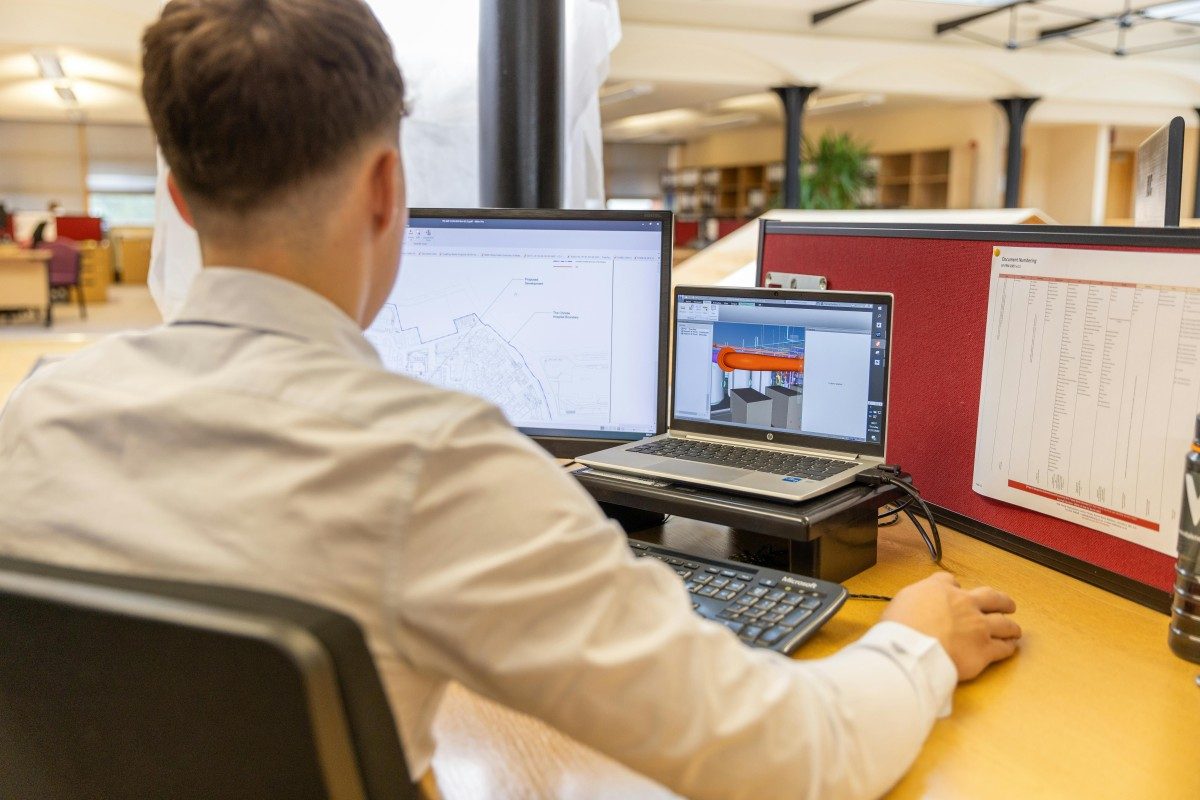
Each year, Ametra welcomes final-year students for a six-month internship. These assignments give them the opportunity to contribute to tangible industrial projects and to follow them from start to finish, while preparing for the next step in their professional career. Internships grounded in real-world experience At Ametra, an internship is never a superficial immersion. Students are integrated into project teams, work on real technical topics, and see their contributions progress through to the final presentation. This approach enables them to face real-world requirements and quickly develop their autonomy. As Victor Guermonprez, a former intern who became a project engineer within the Systems Integration BU, sums it up: “What stood out to me was the diversity of projects and the spirit of mutual support. I had the opportunity to work on embedded systems in aerospace and defense, with new challenges every week. The team gave me the confidence I needed to develop my skills quickly.” Strong continuity between internship and employment Most final-year interns choose to stay after their internship, on a permanent contract or through a work-study program depending on their path. This retention is based on several levers: the quality of the topics offered, the close support from mentors and the collective spirit that characterizes our teams. In 2025, several young talents will therefore join Ametra on a permanent basis. Their decision reflects the attractiveness of our technical environments, as well as the strength of our corporate culture, where teamwork and human support play a key role. At present, 100% of our final-year interns have accepted to continue with us on a permanent contract! Towards a stronger relationship with engineering schools At the start of the academic year, Ametra aims to go further by strengthening its ties with engineering schools. Forums, round tables, and on-campus talks will help drive this momentum. The objective: to increase opportunities to meet students and to highlight our ambassadors (former interns now in position) who provide concrete testimony of their journey and their projects. Investing in passion and support Beyond recruitment figures, what stands out from interns’ testimonials is their passion for engineering and the pleasure of working in an environment where mutual support and knowledge sharing come naturally. For Ametra, welcoming an intern is not only about training a future employee, but about creating the conditions for a lasting relationship, built on trust and a sense of purpose. Would you like to learn more about opportunities within the Ametra Group? Visit our official website now. We are also on LinkedIn!